Hormones 101 - SWW x Biolae
There is something nearly every woman has in common, and almost none of us were taught.
We opened the talk with a few numbers that say it plainly. Forty per cent of Australian girls felt their school never gave them adequate education about their own periods. More than half of young women who meet the criteria for significant period pain assume it is simply normal. Endometriosis still takes six to eight years, on average, to diagnose. And more than seventy per cent of Australian women aged 45 and over do not feel informed or prepared for menopause. As we put it on the day, we cannot manage what we were never taught to understand.
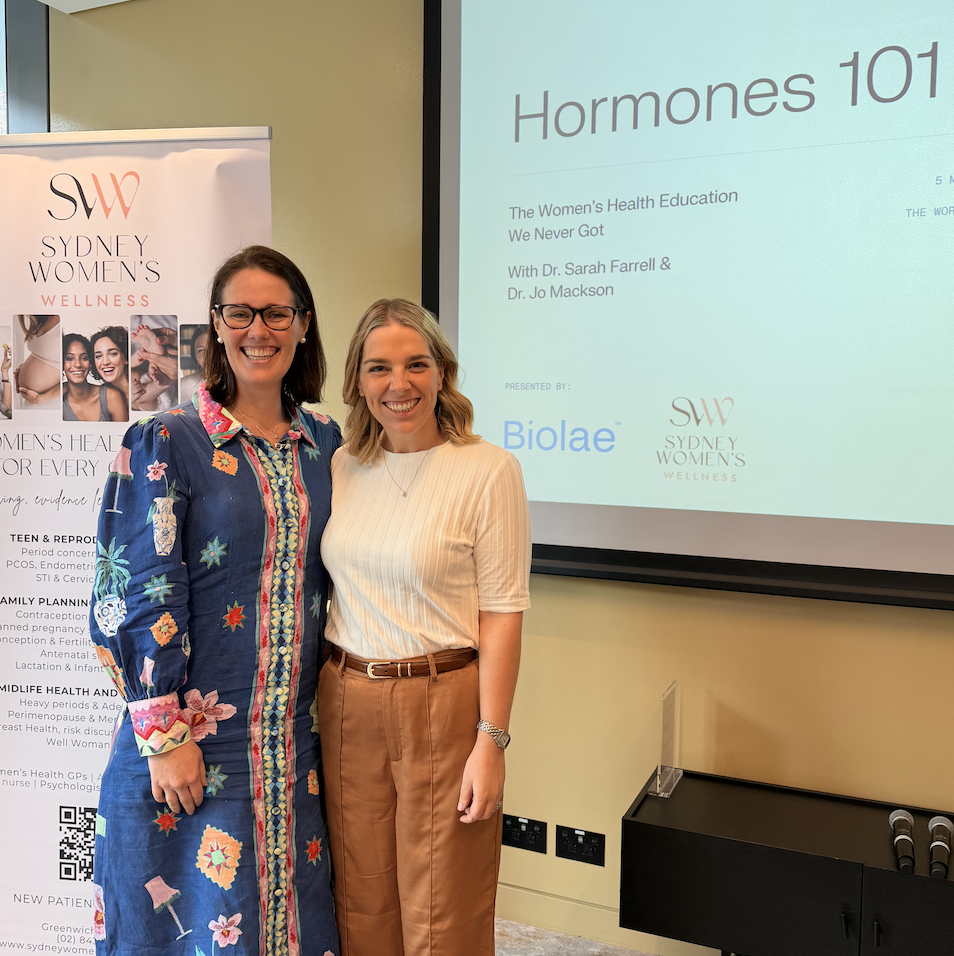
So for International Women's Day, Dr Jo Mackson and I, in collaboration with Biolae, set out to fix a little of that, with a session we called Hormones 101.
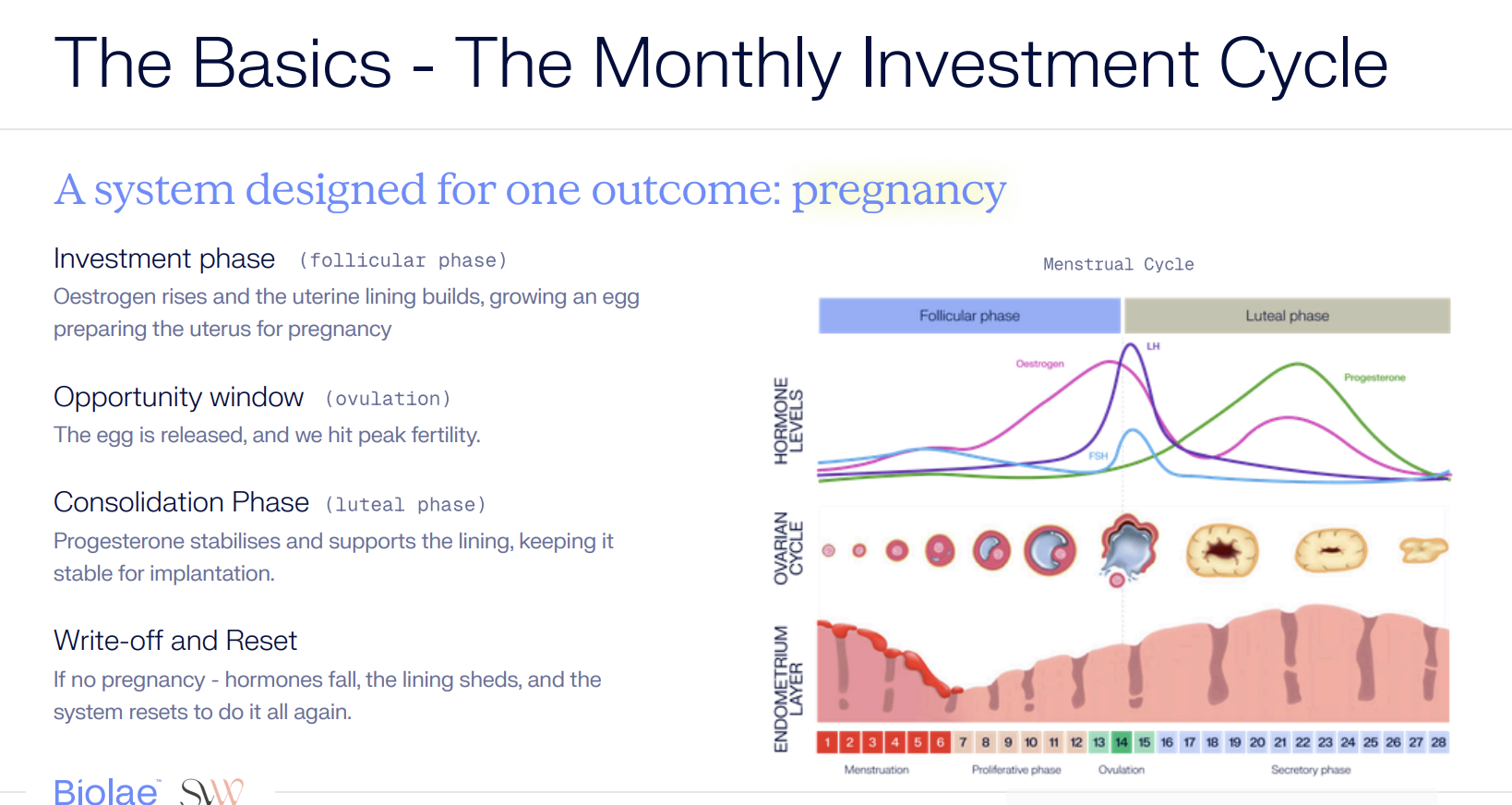
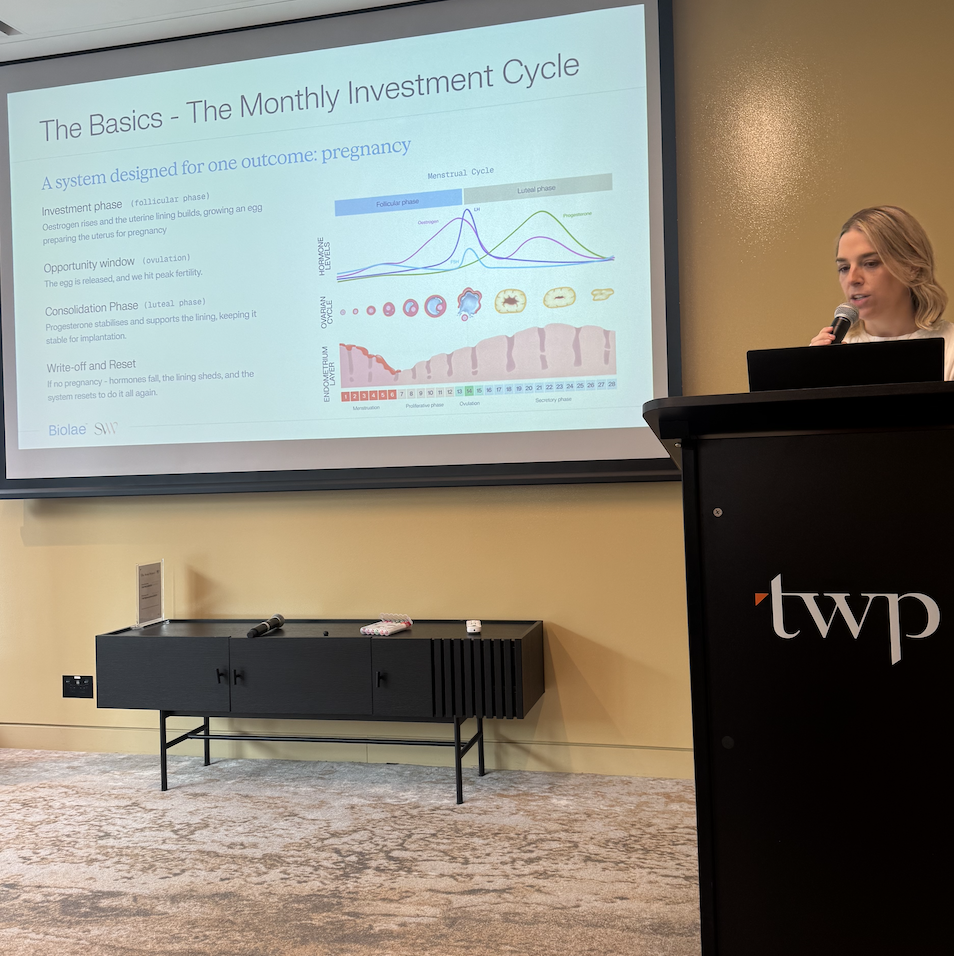
We started with the basics, because the basics are where most of us were short-changed. Hormones are simply chemical messengers, made by glands and tissues, travelling through the blood and acting only on cells with the matching receptor, like a key in a lock. To make the whole thing less abstract, we ran your hormones like a company. Oestrogen is the Chief Operating Officer, quietly keeping everything from your bones to your brain to your mood running. Progesterone is Head of Risk and Compliance, steadying the second half of your cycle and calming the system down. Testosterone, yes, yours too, is Head of Strategy and Performance, behind libido, drive, muscle and focus. Your menstrual cycle, in turn, became a monthly investment cycle: a build-up, an opportunity window at ovulation, a consolidation phase, and a reset if no pregnancy comes of it.
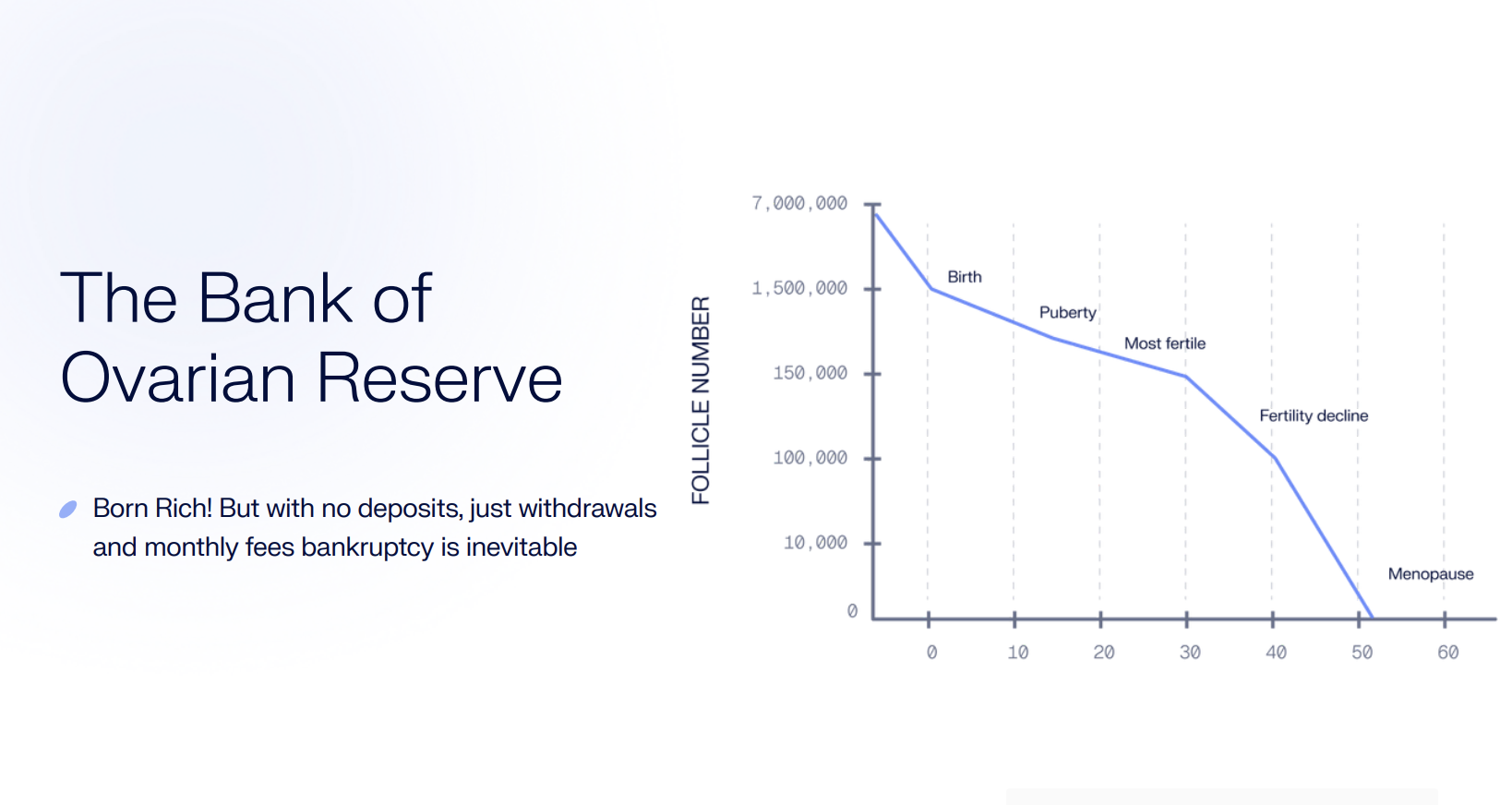
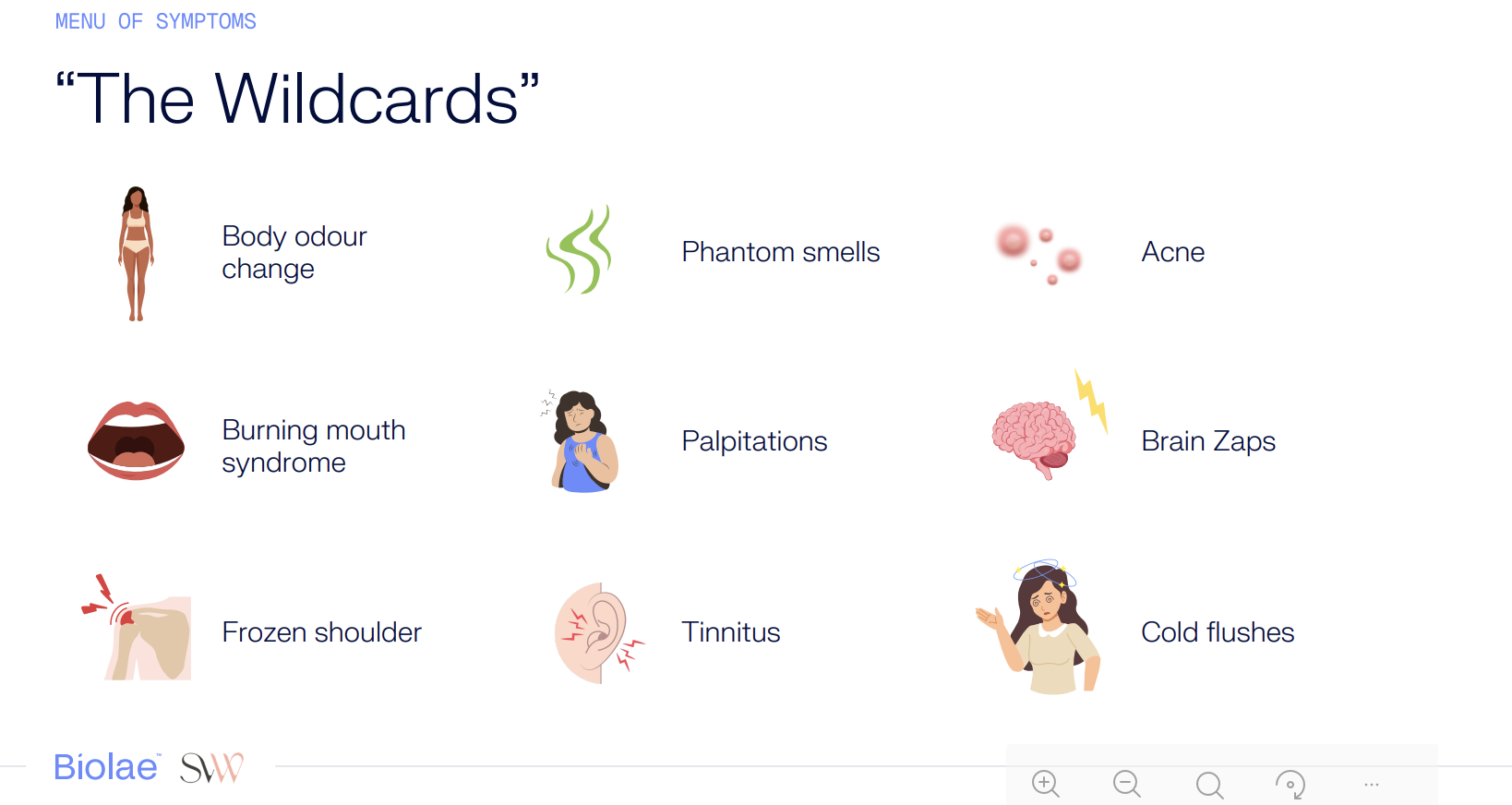
From there we followed hormones across a whole life. What a normal cycle actually looks like, and the signs worth investigating. Why periods go off-script, from thyroid issues to PCOS to perimenopause. The hormonal rollercoaster of pregnancy, and the steep drop of the postpartum months. And then perimenopause, the sequel to puberty that nobody warns you about, and menopause beyond it, where the focus shifts to feeling well and protecting your long-term health.
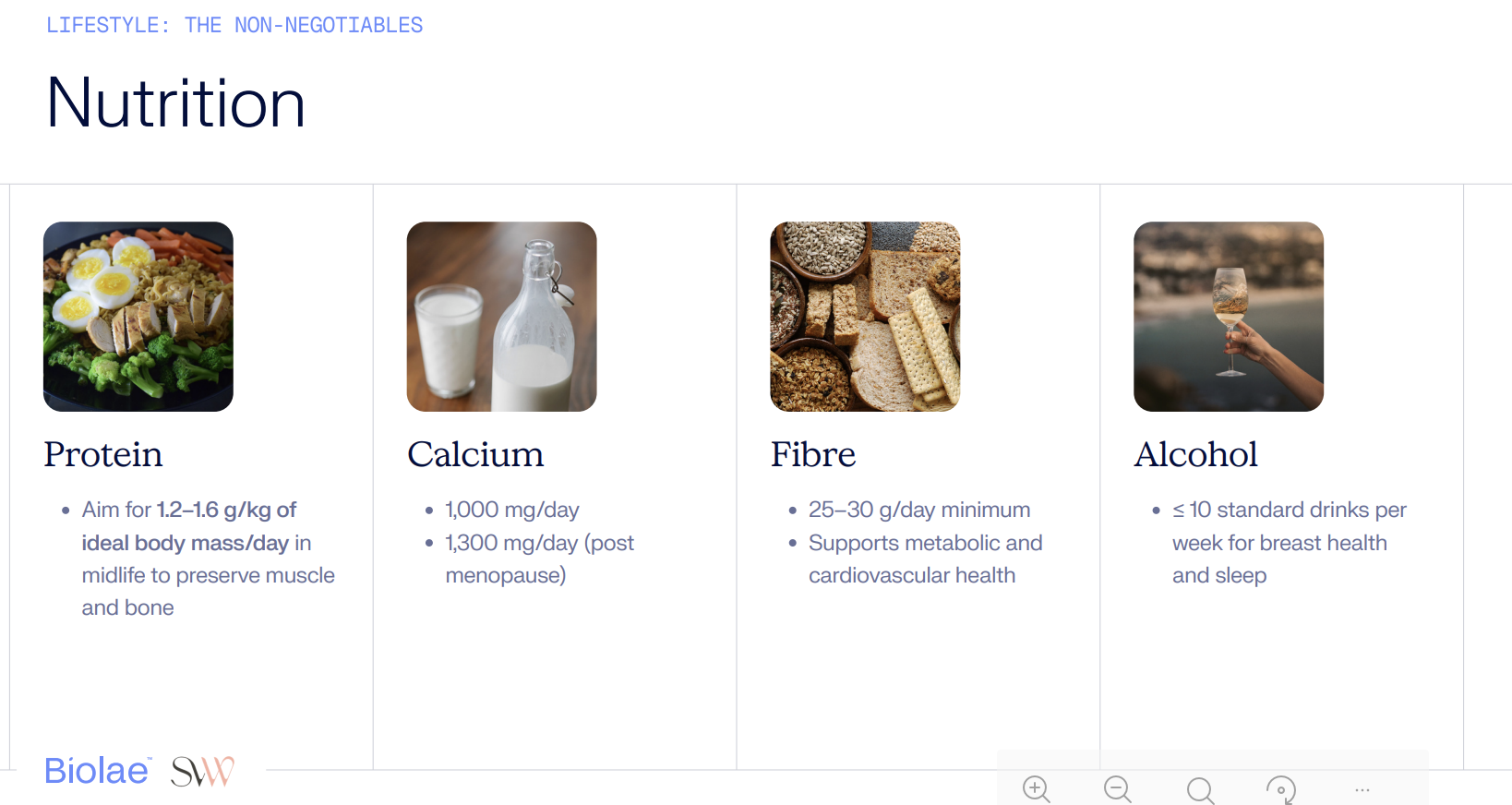
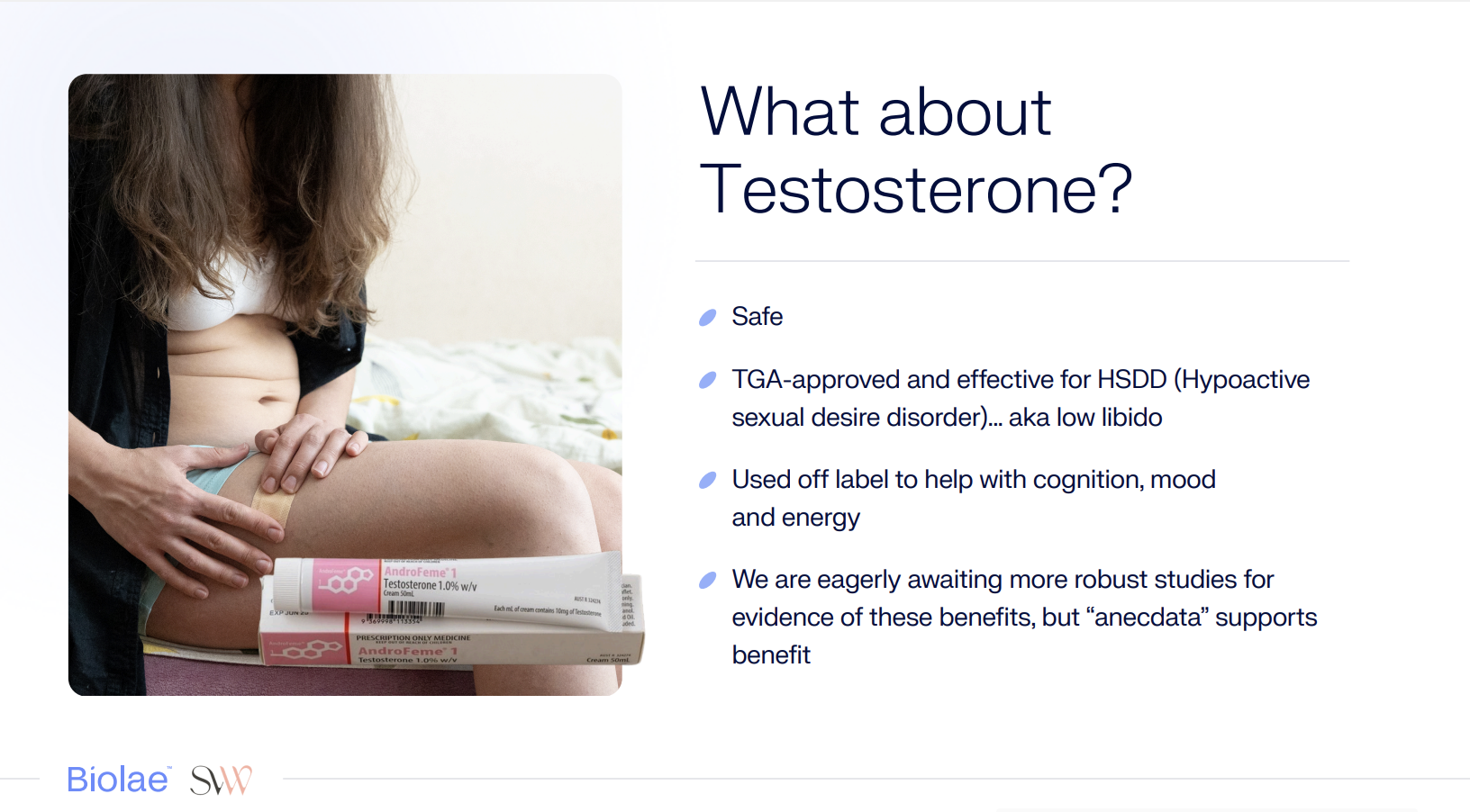
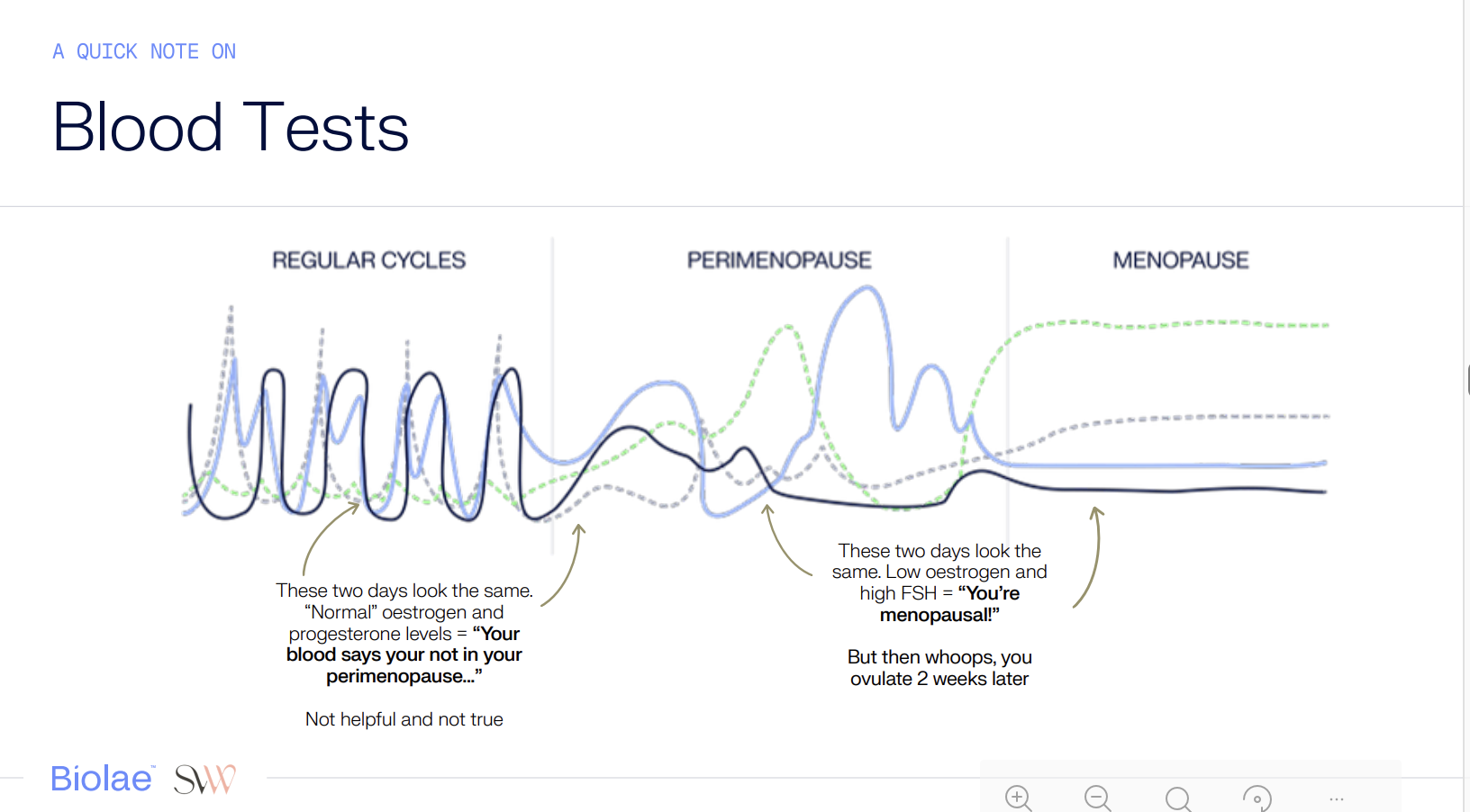
Then we did the part we enjoy most: separating myth from medicine. We talked about why the old fear around menopausal hormone therapy (MHT) was overstated, and how the science has moved on. We explained why "detox" teas and cleanses cannot reset your hormones, why "oestrogen dominance" is a wellness buzzword rather than a medical diagnosis, and why online saliva kits and compounded "balancing" hormones tend to promise far more than they can deliver. Good hormonal care is not a mystery to be unlocked by an expensive test. It is history and goals first, foundations like sleep and movement and nutrition, validated tests only when they will change something, and treatments with a known dose, quality control and proper follow-up.
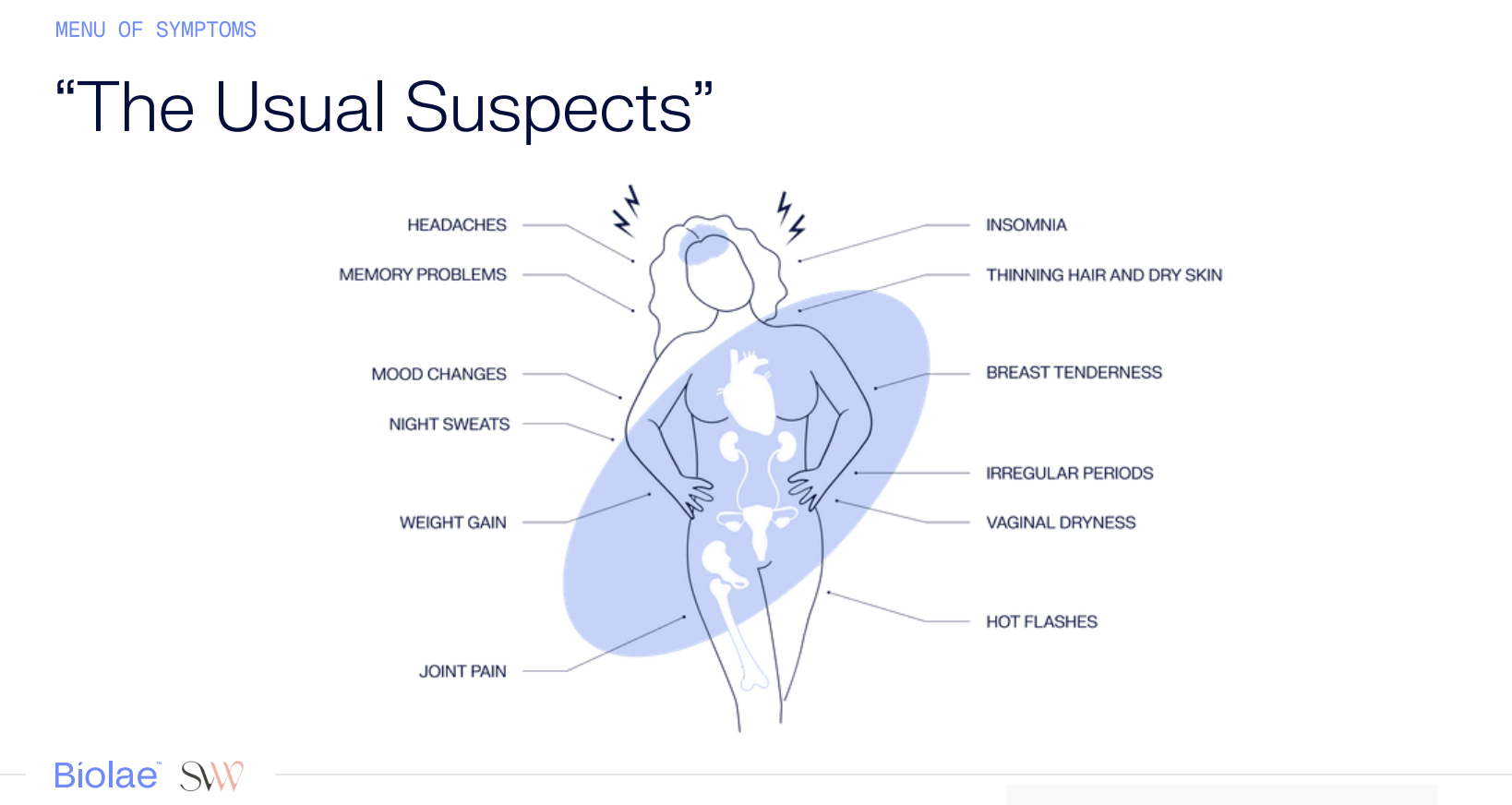
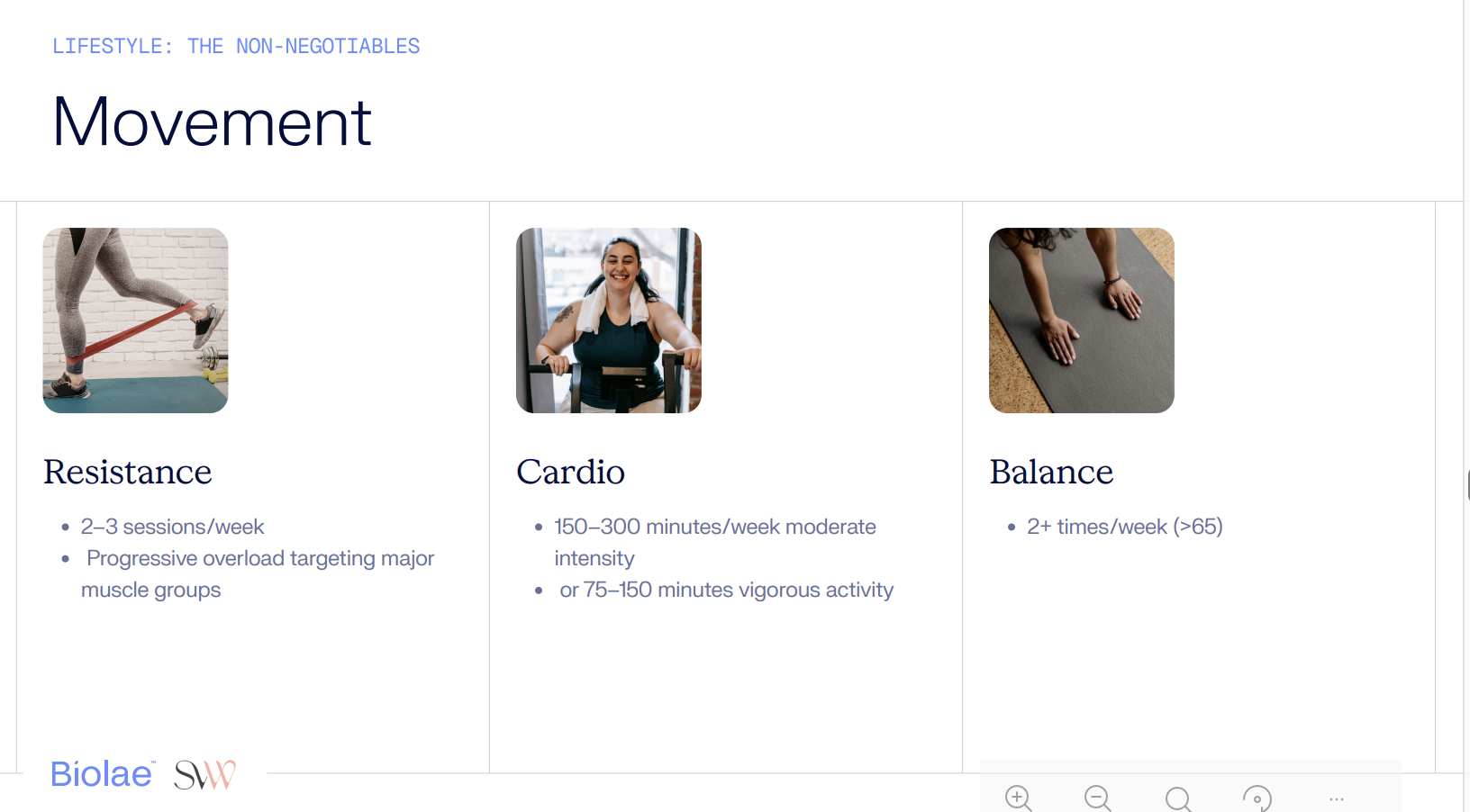
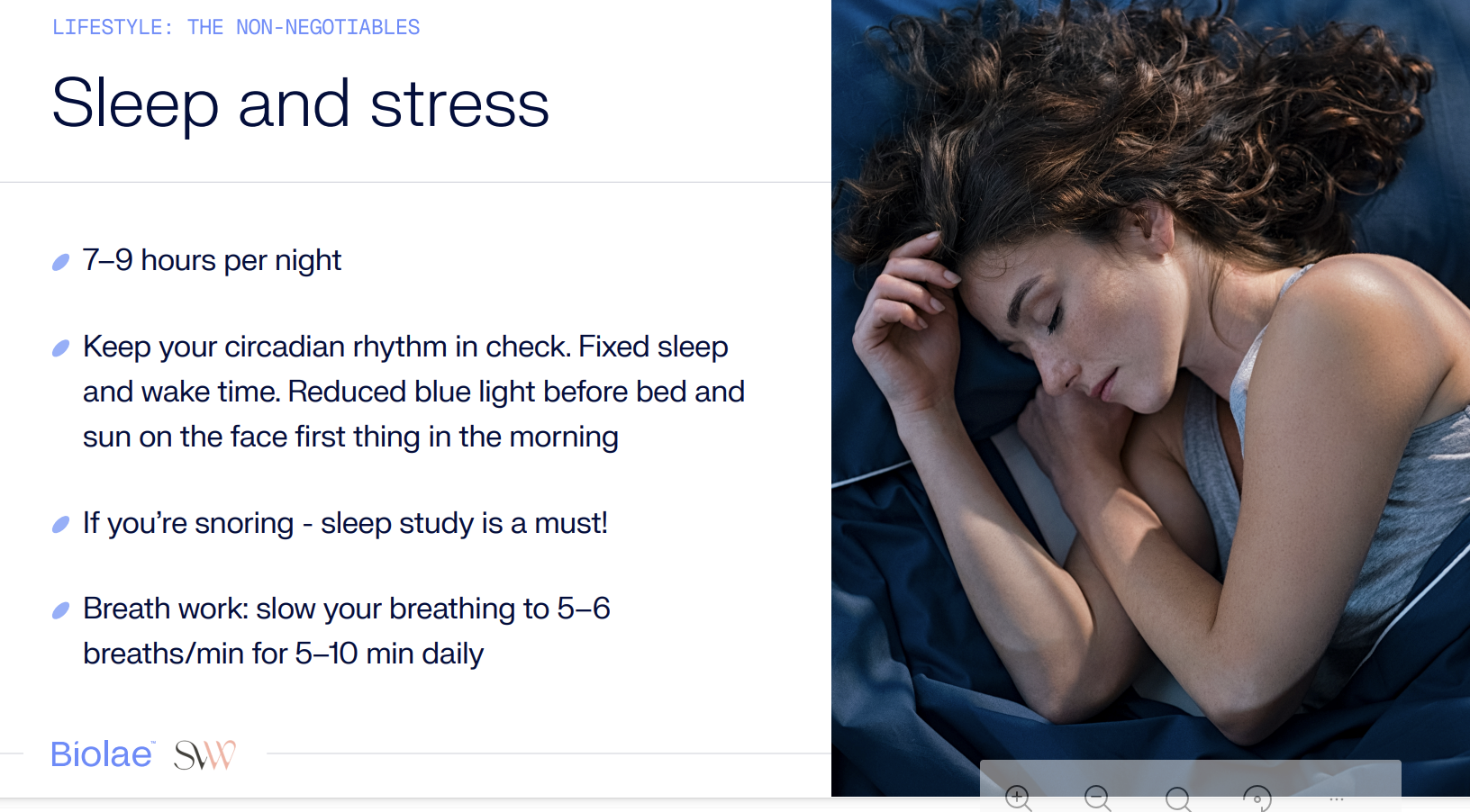
We finished where it matters most: with you, in the room with your doctor. How to come prepared, with your cycle data and a list of how your symptoms genuinely... how your symptoms actually affect your life. How to know your own risk and your options. Because an informed woman is a far harder woman to dismiss.
That was always the point of the day. Not to turn anyone into a doctor, but to hand back the foundational knowledge that should have been ours all along. Knowledge, after all, is power.
If this is the education you wish you had been given, you do not have to wait for the next talk. Come and see Dr Jo or Dr Sarah for a conversation about your hormones, or simply a well-woman check, to take stock of where you are and make a plan for the years ahead.