

Pregnancy
Postnatal
&
Pregnancy
care
Whether you have just had a positive pregnancy test, are choosing your maternity care model, are dealing with early pregnancy symptoms, or are navigating an unplanned pregnancy, we offer confident, evidence-based support and clear next steps from our Greenwich clinic.
Antenatal shared care
Antenatal shared care means your pregnancy care is shared between your GP and the maternity team at Royal North Shore Hospital. For suitable pregnancies, many routine antenatal appointments can happen with us in Greenwich, while key hospital appointments, scans, and birth remain linked with the hospital system. We can also talk through other care options, including midwifery group practice, public clinic care, and private obstetric care, and help arrange the right referrals early.
Early pregnancy
In early pregnancy, we can help confirm the pregnancy, organise blood tests and ultrasound, work out dating, and support you through symptoms such as nausea, fatigue, bleeding, or anxiety. We also help explain what may be part of a normal early pregnancy and what needs more urgent review.
Screening and tests
Pregnancy involves a number of routine tests that help check your health and your baby's development. We can talk you through blood tests, urine tests, ultrasound scans, and screening options such as NIPT, including what each test can and cannot tell you. If anything needs follow-up, we will support you through the next steps with clarity and compassion.
Miscarriage care
Pregnancy loss can be physically and emotionally overwhelming, and compassionate care matters. We offer assessment, information, follow-up, and emotional support for women experiencing miscarriage or threatened miscarriage, including guidance about what may be happening medically, what to expect next, and when hospital review is needed.
After Your Baby
Physical recovery after birth
Your postnatal check is a chance to look at how your body is healing and how you are feeling day to day. Depending on your birth and symptoms, we may discuss or assess:
- ongoing bleeding and recovery
- caesarean or perineal wound healing
- stitches, pain, and scar concerns
- bladder or bowel symptoms
- pelvic floor recovery
- prolapse symptoms
- abdominal muscle separation
- fatigue and general physical wellbeing
Pregnancy education
Antenatal care is about more than tests and appointments. We also provide practical advice about nutrition, supplements, exercise, mental wellbeing, preparing for birth, breastfeeding, and the physical and emotional changes of pregnancy, so you feel more informed and more prepared as the pregnancy progresses.
Postnatal planning
Pregnancy care also includes planning for what comes after birth. We can start conversations during pregnancy about recovery, feeding, emotional wellbeing, support systems, and the transition into motherhood, so postnatal care feels more connected and less reactive.
Matrescence: adjusting to motherhood
Becoming a mother often changes far more than your schedule. It can shift identity, confidence, relationships, and your sense of self. This transition, sometimes called matrescence, deserves care too. We see postnatal support as helping you heal, adjust, and feel steadier in this new chapter.
We start with a detailed discussion about your goals, menstrual cycle, medical history, medicines, previous pregnancies, and any known fertility concerns.
Mental health and emotional wellbeing
The postpartum period can bring joy, vulnerability, overwhelm, and everything in between. We make space for honest conversations about how you are coping, not only physically but emotionally too.
We can screen for postnatal depression and anxiety, check in on how you are functioning day to day, talk through practical supports, and arrange referral to psychologists, psychiatrists, or other services where needed. You do not have to wait until things feel severe to ask for help.
“Becoming a mother changes more than your routine. It can shift your identity, your relationships, and your sense of self, and that transition, sometimes called matrescence, deserves as much care as the physical recovery does.”
- Ellen Gulson IBCLC
Antenatal shared care is a model of pregnancy care where most of your routine antenatal appointments take place with your GP at Sydney Women's Wellness, while your birth and specific hospital appointments are managed by Royal North Shore Hospital.
As soon as you have a positive test. Early review allows us to confirm your pregnancy, discuss early symptoms, and organise initial blood and urine tests, as well as a dating scan and referrals to midwifery group practice, the antenatal clinic, or your private obstetrician.
NIPT, or Non-Invasive Prenatal Testing, is a blood test available from 10 weeks of pregnancy that screens for certain chromosomal conditions, including Down syndrome and some other chromosome differences. NIPT is optional, and whether it is right for you depends on your preferences, values, and how you would use the information. We take the time to explain the benefits, limitations, costs, and next steps so you can make an informed decision.
If you are having, or may be having, a miscarriage, we will arrange review within 24 hours and organise the appropriate investigations such as blood tests and ultrasound to help confirm what is happening. We will explain your management options, which may include expectant management, medication, or referral for a procedure if needed, depending on your stage of pregnancy, symptoms, and preferences.
We also provide follow-up care, including monitoring your recovery, discussing when to seek urgent review, and supporting you with planning for future pregnancy if and when you feel ready.
Matrescence is the transition of becoming a mother. Just as adolescence describes the transition into adulthood, matrescence describes the physical, emotional, psychological, and social changes that can accompany motherhood.
Some follow-up and educational visits can be done via telehealth, though routine antenatal checks need to be in person so we can monitor your blood pressure, the growth of your uterus, and your baby's heart rate.
We typically recommend a first check-up within the first week or two for a weight check and breastfeeding support if required. This is followed by a comprehensive 6-week postnatal review for both you and your baby.
Yes. Breastfeeding can be challenging, and support should be practical, compassionate, and evidence-based. Our GPs and IBCLC can provide clinical assessment and tailored support for concerns such as pain, latch difficulties, low supply, nipple damage, mastitis, and feeding concerns, so you are not left feeling like you simply need to try harder.
The postnatal period can be challenging not only physically, but emotionally as well. If you are experiencing ongoing low mood, anxiety, overwhelm, irritability, tearfulness, or difficulty feeling like yourself or connecting with your baby, it is important to seek support.
We can assess how you are feeling using tools such as the Edinburgh Postnatal Depression Scale alongside a clinical review, and work with you to create a support plan tailored to your needs.
There are several safe and effective options, including the contraceptive pill, Implanon, Depo Provera, and IUDs including Mirena, Kyleena, and copper IUD, that won't affect your milk supply.
Yes. Many women feel changed after having a baby, and that sense of having lost yourself can be a very normal, though often confronting, part of becoming a mother. This experience is often described as matrescence — the transition into motherhood that can affect identity, relationships, confidence, and emotional wellbeing.
It is okay if this feels harder than you expected, and it does not mean you are ungrateful or doing anything wrong. We offer a safe space to talk through these feelings and support you through this adjustment, alongside caring for your physical health.
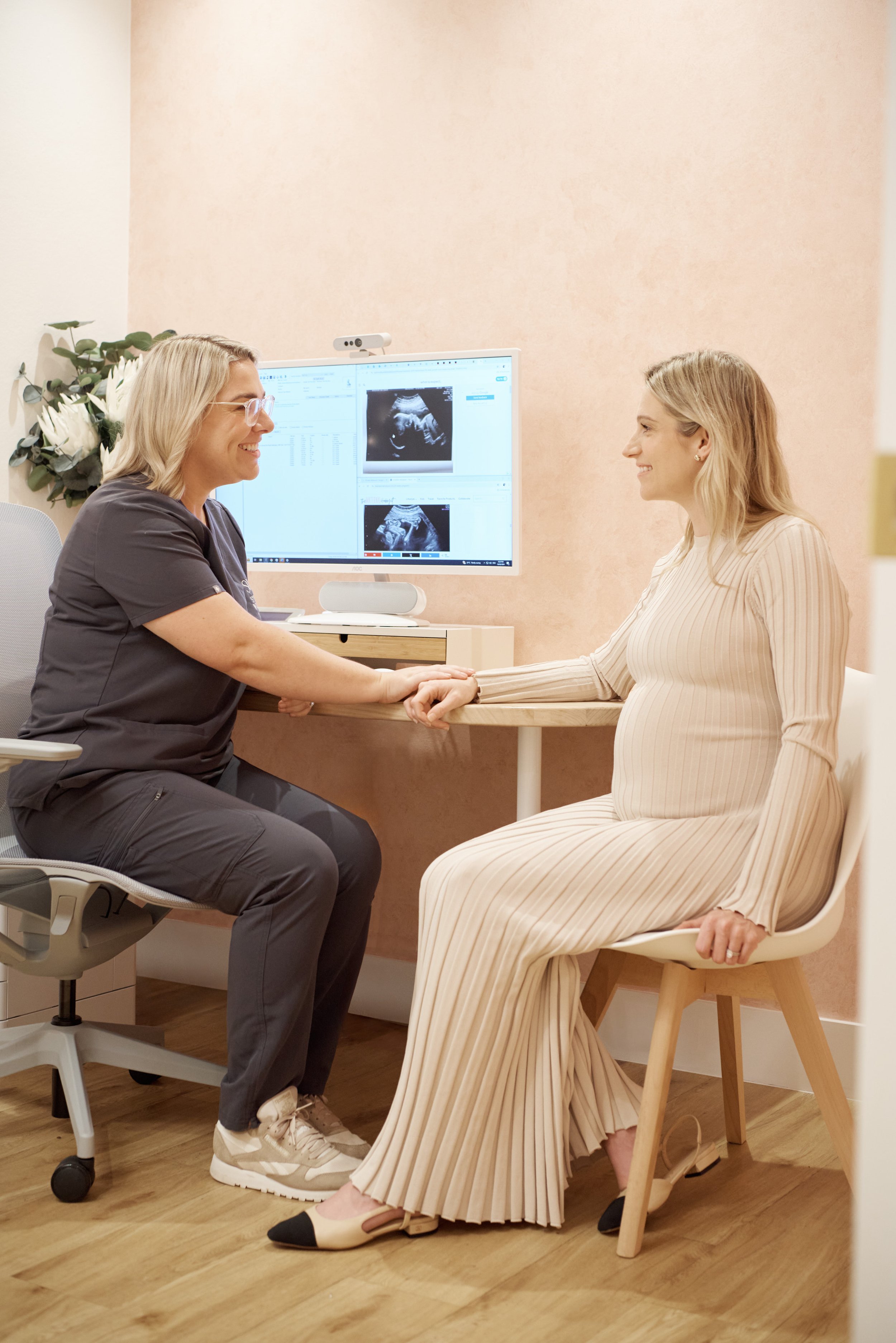
Unplanned Pregnancy
If you have had an unexpected positive pregnancy test and are not sure what to do next, this is a safe, private, and non-judgemental place to start. We provide supportive care for women who need pregnancy confirmation, help with dating, support with early symptoms, and space to talk through options clearly and without pressure.
Your appointment may include confirming the pregnancy, arranging ultrasound or blood tests if needed, assessing symptoms, and talking through your options, including continuing the pregnancy, adoption or other care arrangements, and termination. If you choose termination, we can explain medical and surgical options, talk through what each involves, provide medical termination of pregnancy where appropriate, or arrange referral for surgical care, and make sure follow-up is in place.
We also recognise that relationships, safety, and emotional wellbeing may be part of the picture. Where needed, we can help with safety assessment, counselling pathways, and contraception planning for the future.
Frequently Asked Questions
Yes. We provide a private, completely non-judgemental space to discuss all your options equally — whether that is continuing the pregnancy, adoption, or termination.
Absolutely. We understand that this can be a very personal and sensitive situation. Your consultation is private and confidential, and we provide care with compassion, discretion, and without judgement. You also have control over what is shared with your regular GP and what is included in your My Health Record.
A medical termination uses two types of oral medication, while a surgical termination is a procedure performed under sedation in a private clinic or hospital setting. The most suitable option depends on how far along the pregnancy is, your medical history, and your personal preferences.
We will explain both options carefully and sensitively, including what to expect, timing, follow-up, and support, so you can make the decision that feels right for you.