
Hotter & Healthier - 2026
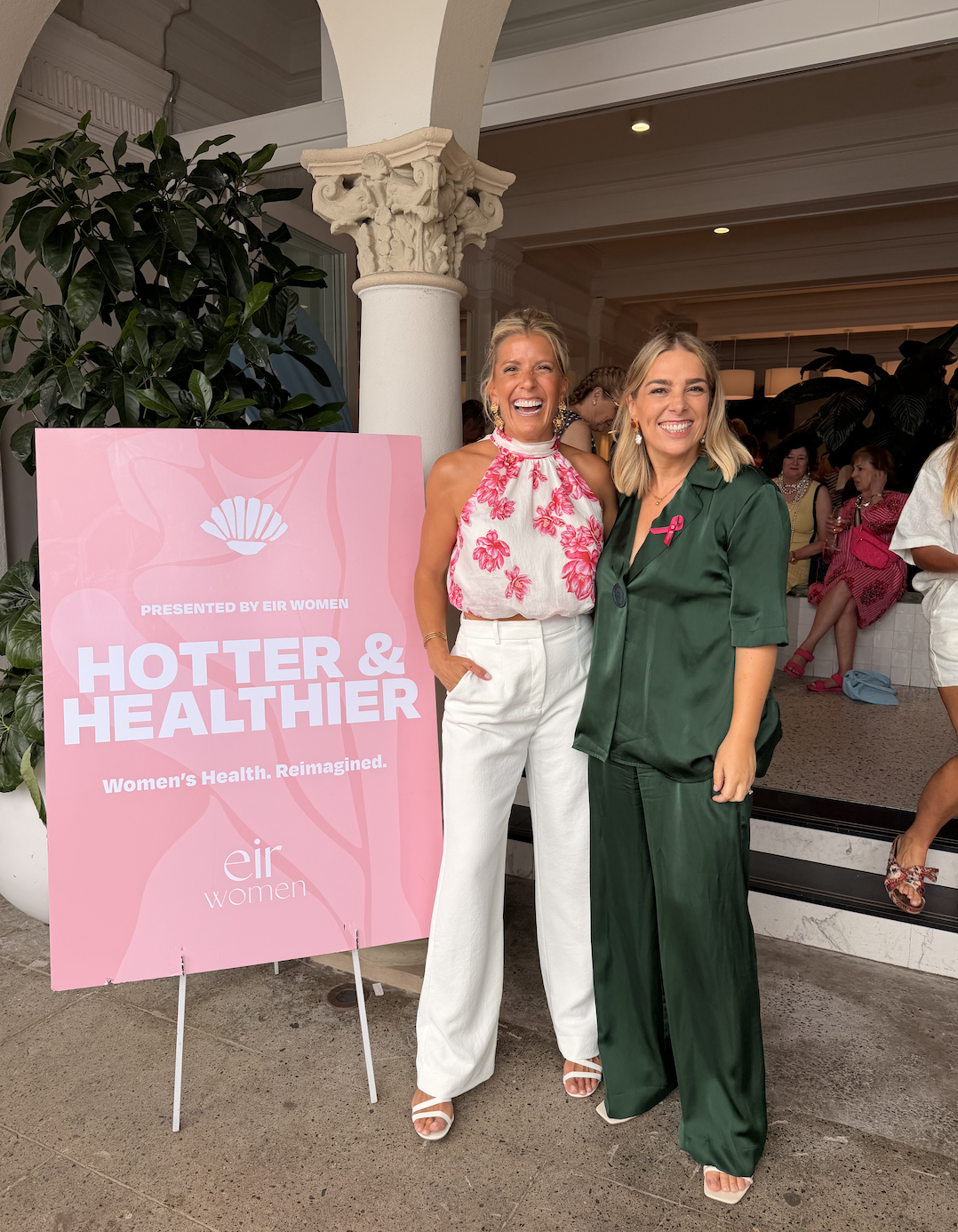
Some of the most important conversations in women's health are the ones we have least often. On Friday 6 February, a roomful of women at Manly Pavilion set out to change that.
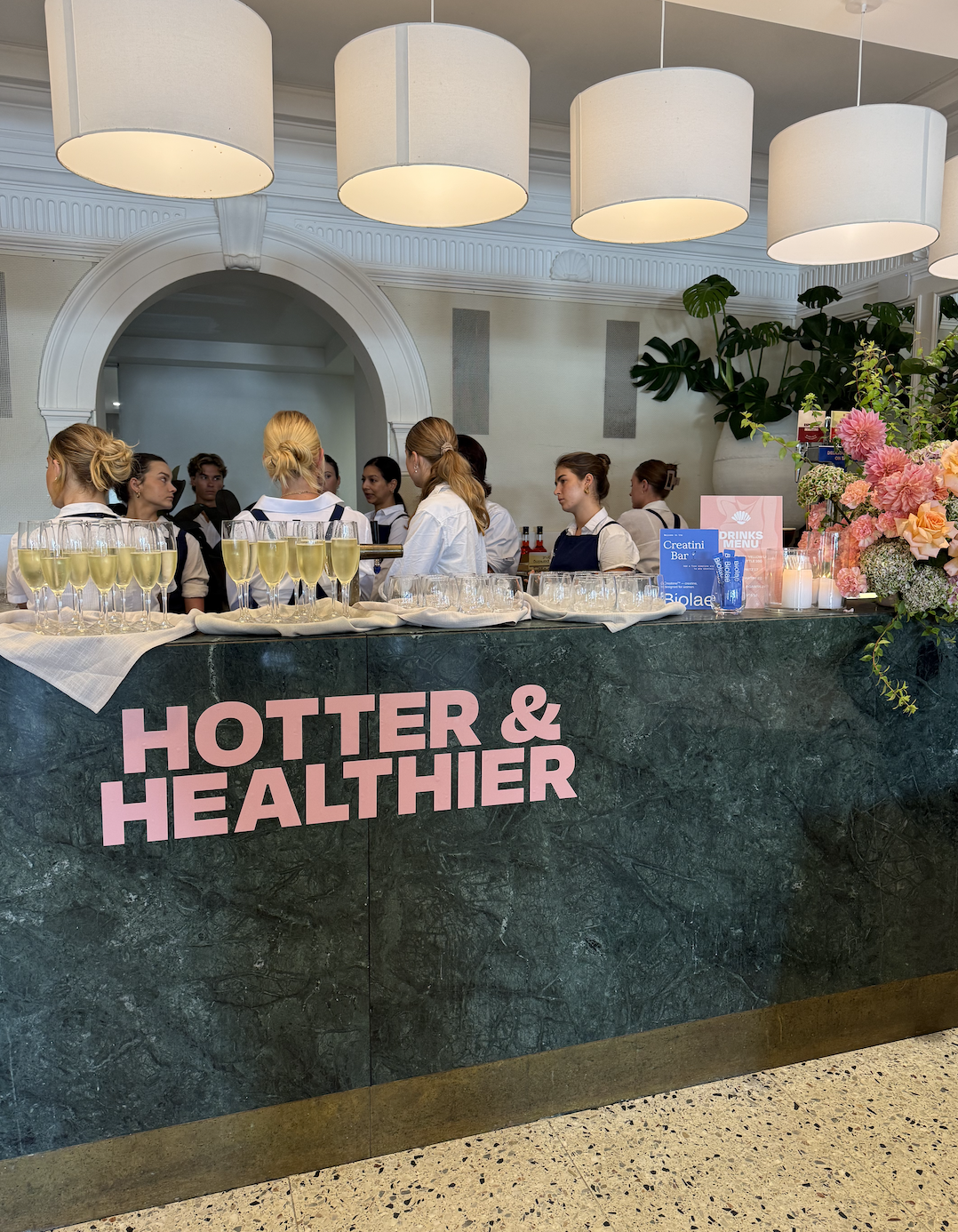
Hotter and Healthier 2026 took over The Cove at Manly Pavilion for a full day of women's health, wellness and community, all in support of the National Breast Cancer Foundation. It is exactly the kind of event we love to be part of: informed, warm, and refreshingly unembarrassed about the topics so many of us were raised to keep quiet.
The line-up alone made it a special day.So many remarkable voices, including Ceri Cashel, George Wehlan, Layne Beachley, Michelle Bridges, Leanne Mulheron and Kate Thomas with Dr Louise Newson and Shelly Horton joining by video. The whole day was in the warm, capable handsby the phenomenal Edwina Bartholomew, whose own health journey and strength inspired everyone in the room. And none of it would have existed without Alex Isaac, the incredible powerhouse whose idea this was in the first place.
Our own Dr Sarah Farrell joined the panel to talk through three things every woman deserves to understand: breast cancer risk, breast density, and the genitourinary syndrome of menopause. Here is a little of what we covered.
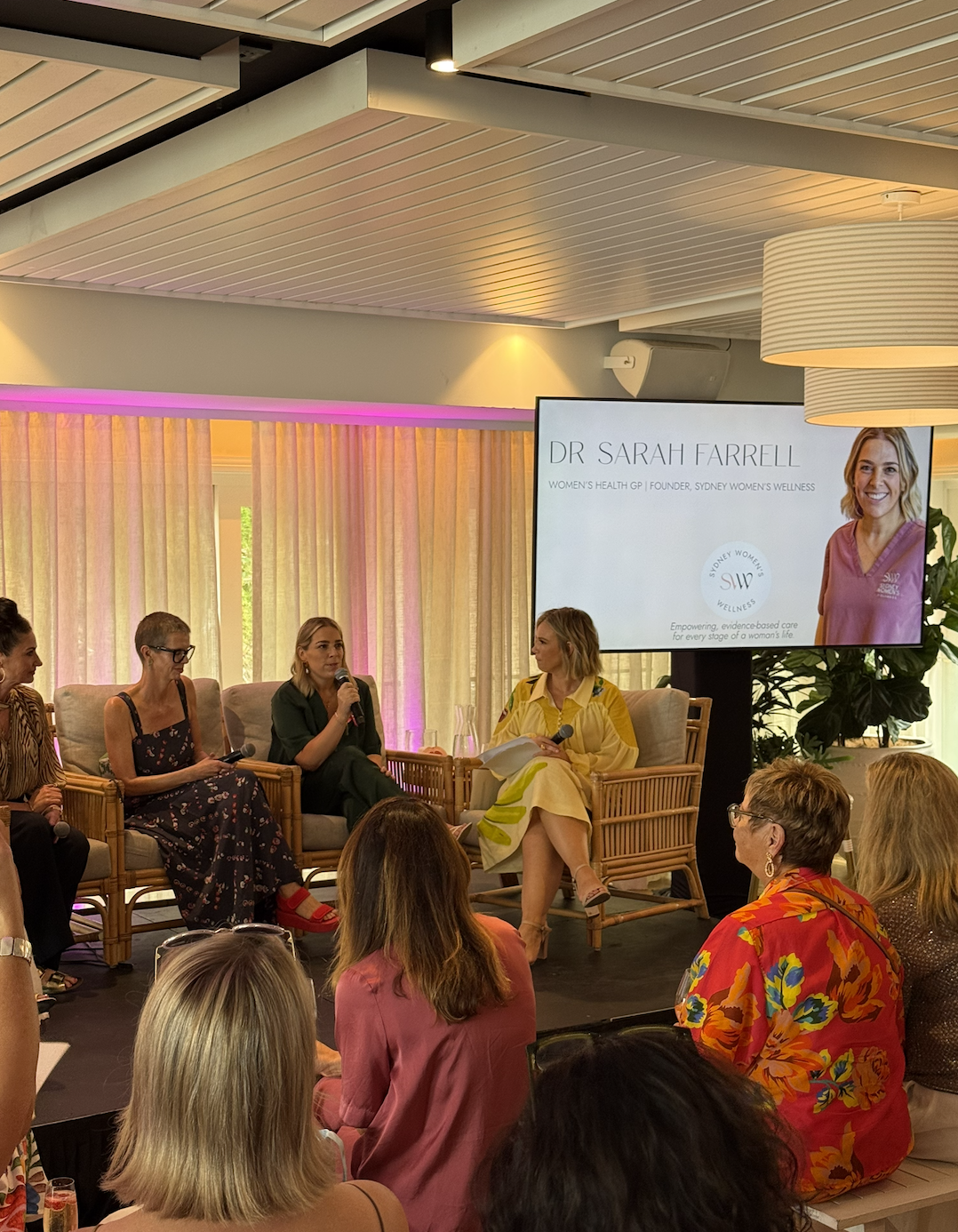
On breast cancer risk, the message was about knowledge rather than fear. Most women carry an average level of risk, and only a small proportion have the strong family history or genetic factors that warrant extra surveillance. Some of the things that influence risk are within your control, like alcohol intake and physical activity, and others, like age and family history, are not. Knowing where you actually sit lets you make calm, informed decisions about screening and lifestyle, rather than living under a vague cloud of worry. Risk is information, not destiny.
Breast density was, for many in the room, a brand new term, even for women who have been having mammograms for years. Dense breast tissue is common, particularly before menopause, and it matters for two reasons. It can make cancers harder to see on a standard mammogram, a little like looking for a snowflake in a snowstorm, and it is itself a modest, independent risk factor. Australia's approach to reporting density is still evolving, which makes it all the more worth asking about. The practical takeaway is simple: find out whether your breasts are dense, and talk to your GP about whether additional imaging, such as ultrasound, is sensible for you.
Then we talked about the one almost nobody raises out loud. The genitourinary syndrome of menopause, or GSM, is the collection of vaginal and urinary changes that can arrive with menopause: dryness, irritation, discomfort during sex, urinary urgency, and recurrent urinary tract infections. It is extraordinarily common and dramatically under-treated, largely because women were never told it could be treated, or felt too embarrassed to mention it. That silence comes at a real cost to comfort, intimacy and confidence.
These are not problems to be quietly endured. They are questions to bring to your doctor, and most of them have answers.
The good news is that GSM responds well to safe, evidence-based treatment, including local vaginal oestrogen and effective non-hormonal options, and meaningful relief is very achievable. The first step is simply naming it.
If there was a thread running through all three topics, it was this: women deserve information, not alarm, and they deserve to be taken seriously when something does not feel right.
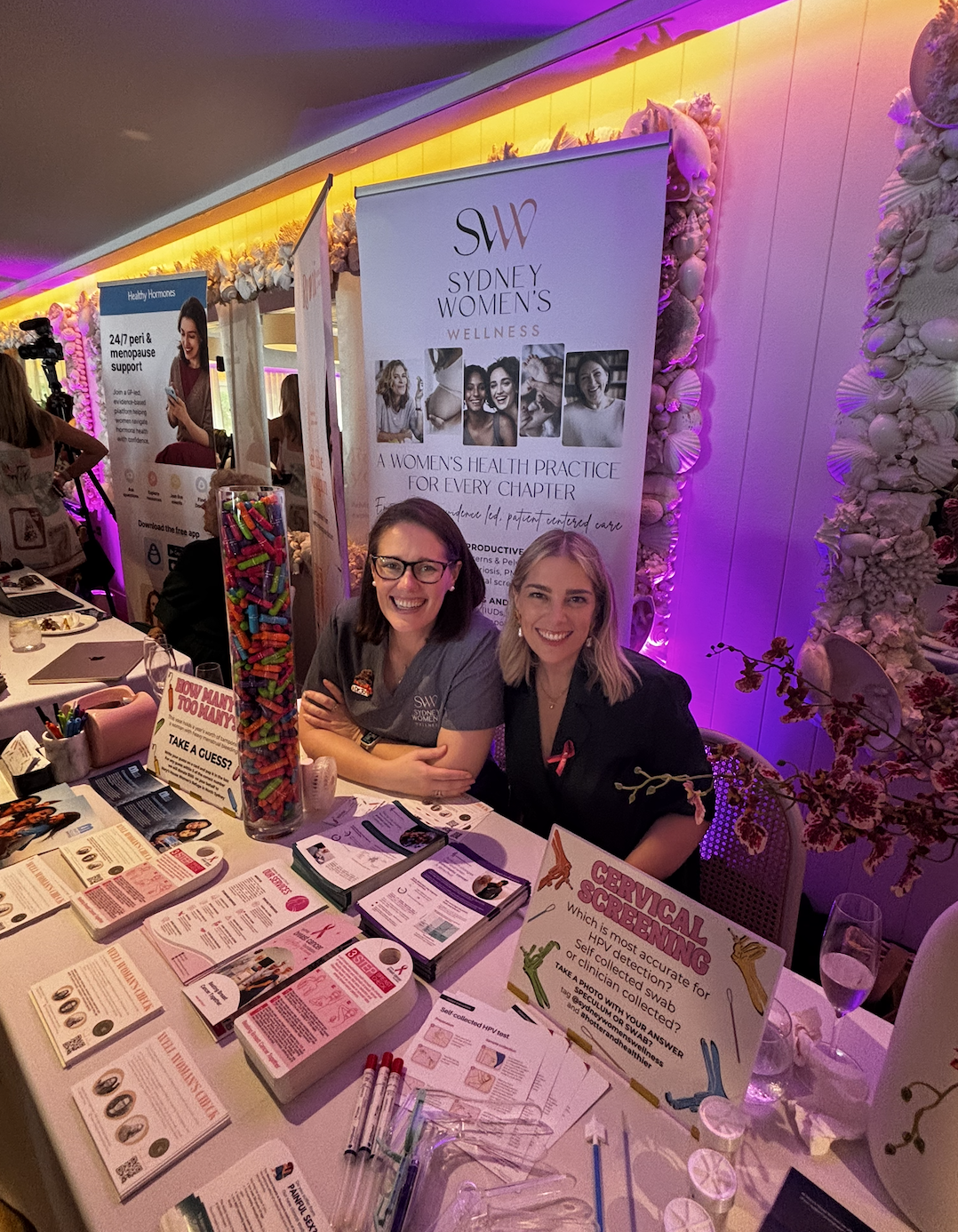
Events like this one do not happen without a great deal of work behind the scenes. Thank you to the organisers, and to the sponsors who made the day possible, Healthy Hormones, Health Hunter, The Boathouse Group, Aesthetics Rx Skincare and 12WBT for creating a space where these conversations can happen openly and generously, and for getting behind the National Breast Cancer Foundation.
If the panel left you with questions about your own breast risk, your breast density, or the menopausal symptoms no one warned you about, you are welcome to come and talk them through. Book in with Dr Sarah Farrell at Sydney Women's Wellness for a conversation that starts with your history and ends with a plan.